

The Wildlife Referral Problem : Why 'Call Animal Control' Isn't Good Enough
SHARE


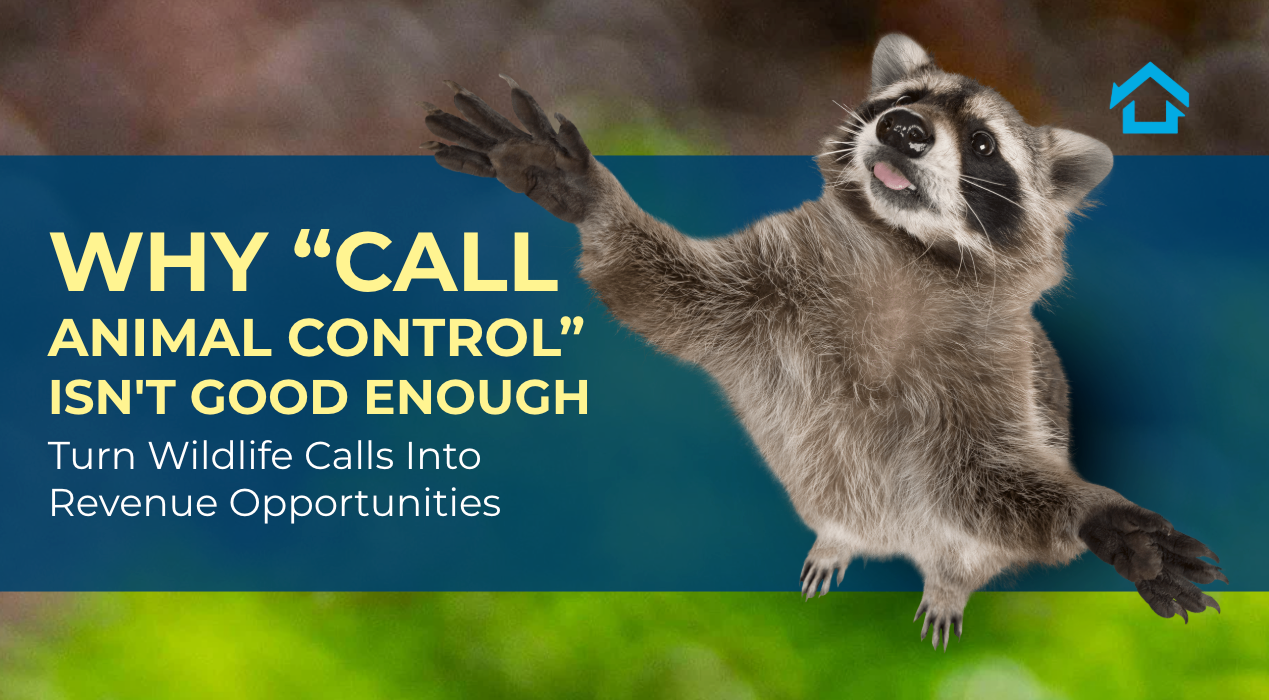
Your pest control customer just called. They want you to deal with the family of raccoons that lives in their attic - one of many raccoon removal leads you’ll get this season. You know that you don’t have the right tools, licenses, or experience to remove wildlife because this isn’t your area of expertise.
So you do what most pest control operators do: "You'll need to call animal control for that."
The problem is that you just sent a paying customer into a frustrating maze of government bureaucracy, long wait times, and potential dead ends. Meanwhile, you missed an opportunity to strengthen your relationship and generate additional revenue through professional wildlife removal referrals.
The "Animal Control" Dead End
Most pest control companies will tell you to call animal control if you have a problem with wildlife, but this only makes things worse. Let’s see what really happens when customers do what they are told.
Animal control departments are overwhelmed and underfunded. In most municipalities, they only deal with aggressive animals, rabies cases, or situations that could put the public’s safety at risk.
Your customer calls municipal animal control and gets put on hold. When they finally reach someone, they're told "We don't handle nuisance wildlife on private property" or "There's a three-week wait for non-emergency calls."
Now your customer is frustrated, still has raccoons in their attic, and you look like you don't know your industry well enough to provide a real solution. They're back to Google, searching for wildlife removal companies and potentially questioning whether you're the right pest control provider for their needs.
This scenario plays out thousands of times daily across the country. Pest control companies inadvertently damage customer relationships by providing unhelpful referrals to overwhelmed government agencies.
The geographic and licensing limitations are real; you can't handle wildlife removal without proper permits and equipment. But sending customers into a bureaucratic dead end? You can avoid that.
What Smart Pest Control Companies Are Discovering
📊 $50M+ Revenue Generated for Pros
📊 400k+ Referrals Completed
📊 800+ Companies in Network
Forward-thinking pest control companies have figured out how to turn wildlife calls into exclusive wildlife leads for qualified specialists while strengthening customer relationships. They're not expanding into wildlife removal themselves or getting additional licensing.
Instead, they're connecting high-intent customers with professional wildlife removal companies through vetted referral networks.
"We used to get 25+ calls monthly for bat exclusions and raccoon removal - services we're not licensed for. Through Baton's wildlife referral network, those same calls now generate $1,400+ in monthly referral revenue. Our customers love that we can connect them with certified wildlife specialists instead of telling them to 'call animal control and wait three weeks.'" — Premier Pest Control, Atlanta
This approach transforms a potential customer service failure into a relationship-building opportunity that generates additional revenue.
How Professional Animal Control Alternatives Work Through Wildlife Referrals
Here's how smart pest control companies are handling wildlife calls now. Instead of sending customers to animal control, they're turning these situations into positive experiences.
When you get a call about wildlife issues, here's what happens:
• Your office manager says "Wildlife removal requires specialized equipment and licensing that we don't have, but I can connect you with a qualified company recommended by trusted pros who specialize in humane wildlife removal"
• You pass the lead through Baton to a licensed wildlife removal specialist in your area
• The customer gets professional service from a qualified company often within 24-48 hours
• You get paid a referral fee for converting pest control wildlife leads into qualified referrals
Let me give you a concrete example. Your customer calls about bats in their attic. These bat removal referrals are typically $800 jobs, but you don't handle wildlife. Instead of sending them to animal control, you refer them through the network.
You connect the customer directly with a vetted wildlife removal specialist in their area. The customer gets immediate help, and you earn a $45-$75 referral fee just for making the connection - no waiting, no competition, just instant revenue from a call you couldn't handle anyway.
That's $60 you earned from a call that would have normally generated $0. More importantly, you provided a real solution instead of a bureaucratic runaround.
Compare that to your current approach: "You'll need to call animal control for that." The customer spends days trying to reach someone, gets frustrated with the system, and potentially questions your expertise.
The difference isn't just financial. When you provide a helpful referral to a qualified professional instead of a government dead end, you're demonstrating industry knowledge and customer care. That kind of service builds loyalty and generates word-of-mouth referrals.
This isn't some complicated system that requires new training or partnerships. It's as simple as having a trusted network of wildlife professionals to refer to when you can't handle the job yourself.
How One Pest Control Company Turned Wildlife Calls Into $8,400 Annual Revenue
Take Mike's pest control company in suburban Atlanta. He focuses on traditional pest control but regularly gets calls about raccoons, squirrels, bats, and other wildlife issues outside his licensing and expertise.
Before joining a referral network, Mike sent these customers to animal control. The results were predictable: frustrated customers, long delays, and damaged relationships. He was essentially providing bad customer service while generating zero revenue.
Now when he gets a wildlife call, his team refers it to vetted wildlife removal specialists in the Atlanta area. Last year alone:
• 1,200 raccoon removal referrals = $54,000 in referral fees ($45 avg per referral)
• 850 bat exclusion referrals = $42,500 in referral fees ($50 avg per referral)
• 1,400 squirrel removal referrals = $63,000 in referral fees ($45 avg per referral)
• 650 snake removal referrals = $29,250 in referral fees ($45 avg per referral)
Total additional revenue: $188,750 from calls that used to generate $0.
But here's the bonus: dozens of those customers called back later asking if Mike's company could handle ongoing pest control for the properties where the wildlife work was completed.
That generated another $18,500 in recurring annual revenue.
The professional referral approach didn't just create new revenue, it actually strengthened customer relationships and generated additional business through cross-selling opportunities.
Mike's not unique. Pest control companies across Georgia, Florida, and Texas are using this same approach to turn wildlife calls into revenue while providing better customer service.
Why Vetting Matters for Your Reputation
Here's the thing about wildlife referrals: your reputation is on the line with every one you make. When you refer someone to a customer for wildlife removal, you're essentially endorsing their work and expertise.
At Baton, we know that a service company's reputation is their most valuable asset. It isn't worth referring a customer to a wildlife removal company if you aren't confident that it will reflect positively on your business.
Ready to Stop Sending Customers to Animal Control?
Join our trusted referral network of over 800 companies who are turning wildlife calls into revenue opportunities while providing better customer service. See how Baton's vetted referral network can help you connect customers with qualified wildlife removal specialists instead of bureaucratic dead ends.

You may also like



Subscription successful! Stay tuned for the latest from Baton Referrals.
Oops! Something went wrong while submitting the form.
