

Pest Control Lead Gen in 2025: Why Your CPL on Angi and LSA Is Going Up (And What to Do About It)
SHARE


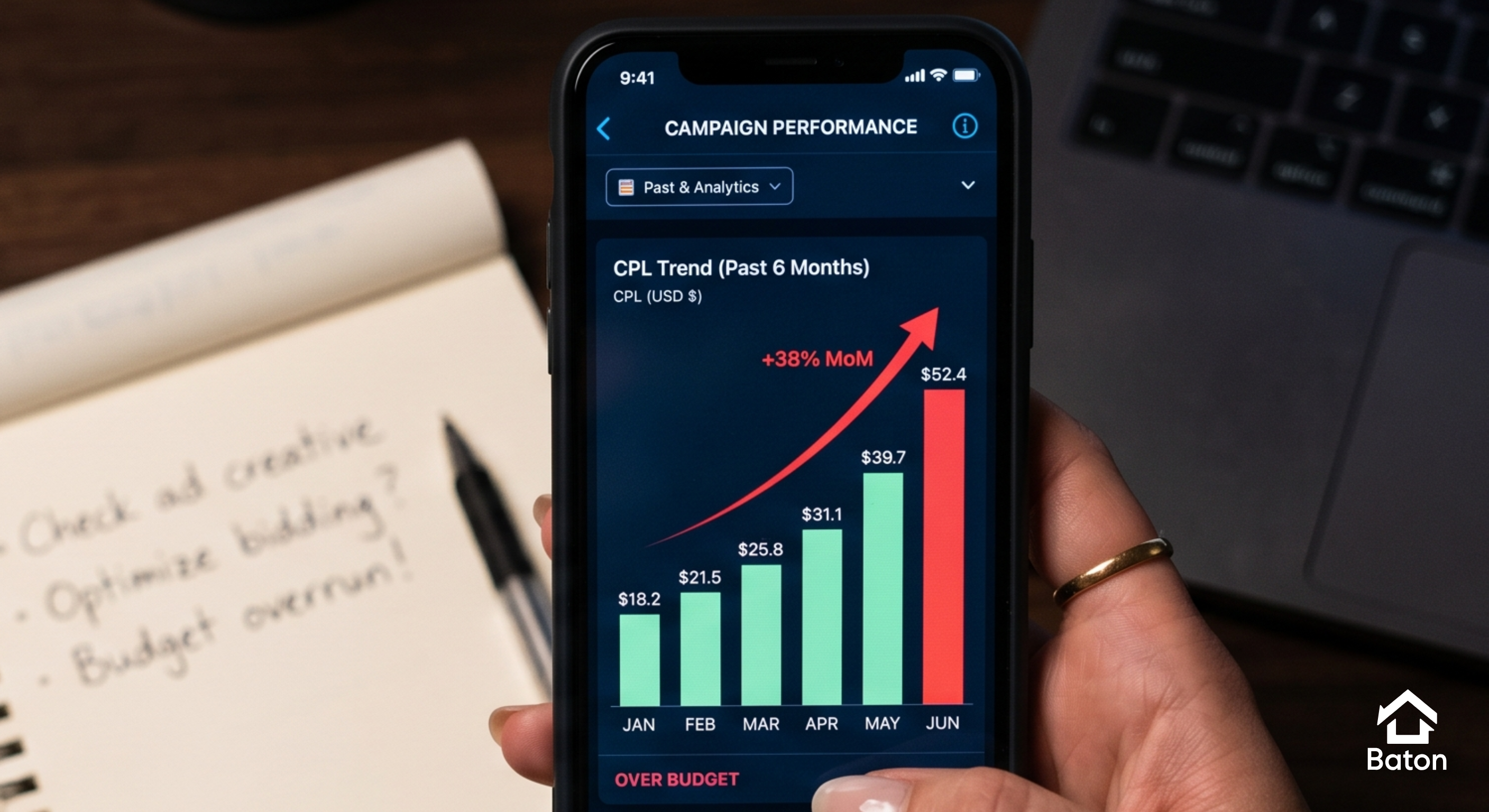
If you're managing lead generation for a pest control company, you've probably noticed the same thing everyone else has: it's getting more expensive.
Google Local Services Ads, once the gold standard for high-intent pest control leads, have seen cost-per-lead inflation of 30–50% over the past two years in most major markets. Angi leads, which are shared with multiple competitors, are harder to close and more expensive to buy than they were three years ago. Attribution is harder. ROI by market is inconsistent. And the board wants better numbers.
This isn't temporary inflation. It's a structural change in the industry, and understanding why it's happening is the first step toward doing something about it.
Why paid lead gen costs keep rising for pest control
The economics of Google LSA and pay-per-lead platforms are driven by competition. As more pest control companies, including well-capitalized and growth-hungry PE-backed operators, put more budget into these channels, the cost per lead rises for everyone.
Over the past three years, nearly all lead gen channels have grown increasingly saturated with competition.
And there's a second dynamic at play specifically with Angi and Thumbtack: lead quality has declined as consumer behavior has changed. More homeowners now submit multiple quote requests simultaneously. They’ve caught on that their information will be shared with several companies. So the "lead" you receive was never a committed customer - just a consumer exploring options. You end up working more leads at a worse close rate, your CAC rises, and the math on those channels gets worse every quarter.
Google LSA is better than Angi on quality, but inventory is finite in most markets. You can raise your bid, but so can your competitors. Eventually you hit a ceiling and can’t get more leads without driving your CAC to a level where you lose money.
What the best operators are adding to their stack
The companies growing the fastest in pest control are supplementing paid channels with sources that aren’t subject to the same competitive dynamics.
Referral networks are one of the most significant underutilized channels for multi-location operators because they work differently than just about anything else in your stack.
On a referral network, the lead originates from another pest control company that generated the call, spoke to the customer, and confirmed the job is real. That's a fundamentally different level of qualification than a consumer clicking an ad or filling out a form. The original recipient has already verified the job and confirmed intent.
Because the job is confirmed in advance, you only accept jobs you know you can turn a profit on - based on ZIPs, service types, price per lead. Which means you're not paying for leads and then hoping they are inside your coverage or service mix. That helps control your CPL in a way that paid channels can’t.
And most importantly: referral leads are exclusive. There's no race to call the customer before someone else.
All of this ads up to real results. Baton’s internal data suggests that referrals close between 30-40% of the time, which is 10x better than many of the shared lead platforms like Angi and Thumbtack.
The other side: monetizing the overflow you're already generating
Here's the piece that’s easy to miss in a referral network: it’s not just a receiving channel. It's also a way to monetize the leads your company generates but can't service.
For a multi-location company, calls that get turned away (wrong ZIP, wrong pest, booked out, specialty service) are already a significant volume. Each one of those calls cost you money to generate and work, but results in no revenue. In a referral network, you get paid for each one you pass to another vetted operator.
That revenue goes directly back against your marketing cost. Your effective CAC on the calls you do service goes down, because some of your marketing spend is now being partially offset by referral income.
It changes the unit economics of your whole lead gen operation, and opens a new revenue stream for your company.
How this fits into a mature marketing stack
The channel mix that's working for sophisticated multi-location pest control operators in 2025 looks roughly like this:
- Google LSA for high-intent local volume — still the best pure-intent source, but manage it by market and monitor CPL tightly.
- Google Ads for awareness and supplemental volume — increasingly expensive but still necessary in most markets.
- Referral network for qualified overflow — high close rate, controlled CPL, and dual-sided economics (receive and send).
- Organic SEO and GBP for long-term cost reduction — slower to build but the only channel where incremental cost approaches zero over time.
- Angi and HomeAdvisor — worth reassessing. If your close rate has been falling and CPL rising over the past 12 months, that budget may perform better elsewhere.
Baton works for operators your size
Baton is a referral network built for pest control and home services companies. Our top-performing partners are regional and large multi-location operators — companies with high call volume, existing overflow, and marketing teams that care about CPL.
Partners set their ZIPs, service types, and bid per lead. Leads come from other vetted operators, not ad clicks. You only pay for qualified calls that match your criteria.
Most active members both send and receive and the sending side typically offsets a meaningful portion of the receiving cost.
See what the numbers could look like for your operation at batonleads.com.
You may also like





Subscription successful! Stay tuned for the latest from Baton Referrals.
Oops! Something went wrong while submitting the form.
